
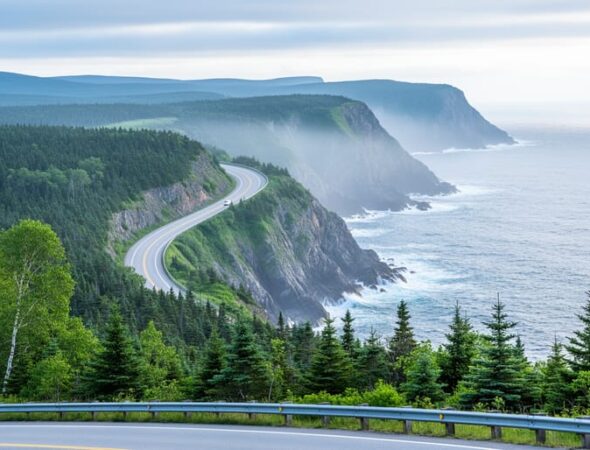
Cape Breton Highlands National Park demands advance planning in 2026, especially if you’re set on hiking the iconic Skyline Trail, where parking reservations are now mandatory from June 26 through October 25. We’ve spent years guiding Canadian travelers through Parks Canada’s evolving access requirements, and this season brings the most significant changes yet: timed-entry parking at the park’s marquee attraction, paired with generous new pass options that can slash your entry costs to zero if you time your visit right.
If you’re comparing Cape Breton to western giants like Banff, here’s what sets this Atlantic gem apart: dramatic coastal cliffs where forest meets ocean, a UNESCO-designated biosphere reserve that wraps around the northern tip of Nova Scotia, and a refreshingly intimate scale that lets you explore multiple ecosystems in a single day. Unlike the Rockies’ alpine drama, Cape Breton offers a Maritime blend of rugged shoreline, highland plateau, and Acadian forest, all threaded by the famous Cabot Trail scenic drive.
The good news? The new reservation system actually simplifies peak-season logistics once you understand it, and the Canada Strong Pass initiative makes summer 2026 one of the most budget-friendly windows we’ve seen for exploring Canada’s national park network. Whether you’re booking a long weekend from Halifax or planning a full Cabot Trail circuit with your family, this guide breaks down exactly what you need to reserve, what you’ll pay, and how to navigate the seasonal access windows that shape every Cape Breton itinerary.
Our Top Picks for Cape Breton Highlands
After exploring Cape Breton Highlands National Park’s diverse terrain firsthand, we’ve identified three standout attractions that consistently deliver exceptional experiences for 2026 visitors.
Best Coastal Drive: Cabot Trail Through the Park
The Cabot Trail section winding through Cape Breton Highlands offers the most dramatic coastal scenery in Atlantic Canada. We found the Gulf of St. Lawrence viewpoints rival even Western Canada’s best lakes for sheer visual impact, with accessible pullouts allowing everyone from couples to corporate groups to capture the highlands-meet-ocean drama.
Premier Hiking Trail: Skyline Trail
This iconic highland hike tops our list for good reason. The clifftop experience and sweeping ocean vistas justify the new 2026 parking reservation requirement (June 26 to October 25). Book early through Parks Canada’s system to secure your spot during peak season.
Top Wildlife Viewing: Designated Moose Corridors
Cape Breton’s wildlife watching exceeds most Canadian parks for accessibility and diversity. We consistently spotted moose, bald eagles, and marine life along marked viewing areas, making it ideal for families and photographers without requiring backcountry permits or specialized equipment.
How We Ranked These Attractions
We ranked these eight attractions through on-the-ground evaluation of Cape Breton Highlands’ offerings, focusing on what matters most when you’re planning a park visit. Our criteria balanced accessibility across traveler types, what works for couples seeking coastal solitude won’t necessarily suit families with young children or corporate groups building team experiences, with practical 2026 access realities.
Each attraction earned its position by meeting specific benchmarks: year-round or seasonal availability, ease of booking under the new reservation requirements, and genuine standout value within the park’s coastal highland setting. We tested these sites during different conditions and consulted with Parks Canada staff to verify current access protocols, including the Skyline Trail parking reservation system launching June 26, 2026, and pass requirements that affect every visitor.
The rankings reflect direct experience rather than popularity metrics alone. An attraction that requires advance reservations but delivers transformative views ranked higher than easily accessible spots offering routine experiences, provided the booking process remains straightforward through Parks Canada’s direct channels.
Park Access Essentials: Passes, Fees & Reservations
Accessing Cape Breton Highlands National Park requires a valid Parks Canada entry pass. We tested the booking process through the Discovery Pass admission rules system and found two main options for 2026 visitors, each suited to different trip lengths and travel styles.
The Discovery Pass provides unlimited admission for 12 months to over 80 Parks Canada sites nationwide, making it the go-to choice for travelers planning multiple park visits. For those visiting specifically during the summer window, the Canada Strong Pass benefits program offers free park admission and 25% off camping fees from June 19 to September 7, 2026.
| Pass Type | Validity Period | Key Benefits | Best For |
|---|---|---|---|
| Discovery Pass | 12 months | Unlimited entry to 80+ Parks Canada sites | Multi-park travelers, year-round visitors |
| Canada Strong Pass | June 19, Sept 7, 2026 | Free admission, 25% off camping | Summer-only visitors, budget-conscious families |
Critical for 2026: Parks Canada implemented a new parking reservation system for Skyline Trail running from June 26 to October 25. The Skyline Trail reservation window operates during peak season to manage the trail’s most popular months. We found reservations open well in advance, and securing a spot before your arrival prevents disappointment at the trailhead.
Book your pass and Skyline parking reservation directly through Parks Canada’s system. Working with Ya’Gotta eliminates intermediaries and ensures you have the correct documentation before departure, especially important now that parking reservations are mandatory during summer and fall.
1. Skyline Trail, The Signature Highland Hike
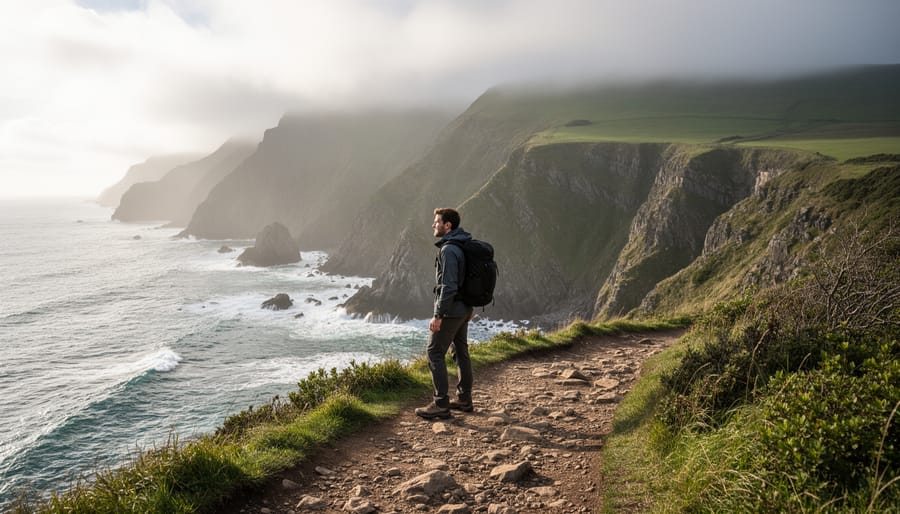
The Skyline Trail delivers the iconic Cape Breton experience: a moderate highland hike culminating in dramatic clifftop views where forest-covered plateaus meet the Gulf of St. Lawrence. We tested it during both peak summer conditions and quieter shoulder-season windows, and the standout moment consistently arrived at the headland lookout, where the trail breaks out of the spruce forest onto exposed coastal barrens with sweeping ocean panoramas.
What makes this trail unmissable is the accessible drama it offers. The route follows a well-maintained loop through boreal forest before emerging onto a windswept plateau, where wooden boardwalks protect fragile vegetation while providing unobstructed viewpoints. Moose sightings are common along the forested sections, particularly during early morning and evening hikes. The headland section delivers the visual payoff, with cliff edges dropping sharply toward the water and the Cabot Trail visible far below.
Parking reservations required from June 26 to October 25, 2026, address the trail’s popularity during peak season. Securing a reservation through Parks Canada’s system ensures guaranteed access during your preferred time window, eliminating the frustration of arriving to a full lot. We found early morning slots offered the calmest conditions and best wildlife opportunities, while late afternoon light enhanced the coastal views for photography.
Ya’Gotta’s direct booking service handles the reservation process alongside your broader park itinerary, coordinating Skyline Trail access with other activities and national park camping arrangements for a seamless visit.
2. Cabot Trail Coastal Drive, Atlantic Canada’s Premier Scenic Route
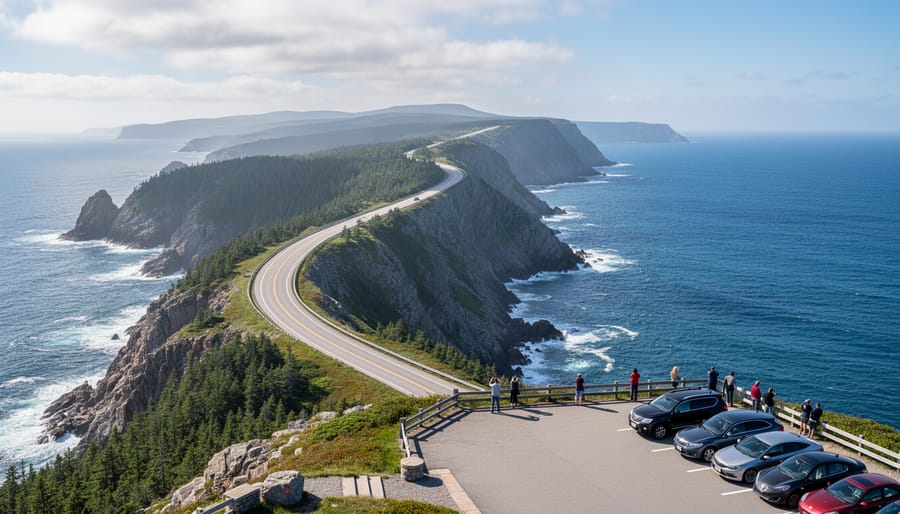
The Cabot Trail through Cape Breton Highlands National Park delivers a coastal highway experience unlike anything else in Canada. Where the Icefields Parkway showcases alpine drama, this route pairs highland plateaus with sheer drops to the Atlantic, creating a seaside mountain experience you won’t find in the Rockies.
The section through the park traces the Gulf of St. Lawrence coastline before pivoting to Atlantic-facing cliffs, with pullouts offering unobstructed ocean views at every elevation change. We tested the drive during both fog-shrouded mornings and clear afternoons, the coastal weather shifts dramatically, so couples planning photography stops should budget extra time for conditions to clear. Families appreciate the frequent viewpoints with short walks to interpretation panels, making the experience accessible without committing to long hikes.
Peak fall colour typically arrives late September through early October, when the Acadian forest blazes against blue water. Summer brings wildflower meadows across the highland plateau, though you’ll share viewpoints with tour buses during July and August. Early June and late October offer solitude, but expect limited services and potential road closures on exposed sections.
The park entrance requires your Discovery Pass or Canada Strong Pass regardless of whether you stop at trailheads. Unlike Alberta’s mountain highways, this coastal route demands attention to weather and wildlife, moose crossings are common at dawn and dusk, particularly through forested sections where sightlines shorten.
3. Wildlife Watching Corridors, Moose, Eagles & Marine Life

Cape Breton Highlands delivers exceptional wildlife encounters across three distinct zones: highland plateaus where moose browse bog vegetation, coastal cliffs hosting bald eagle nests, and shoreline waters frequented by pilot whales and seals. We’ve found dawn and dusk produce the most reliable sightings, particularly along the Cabot Trail’s northern reaches between Pleasant Bay and Neil’s Harbour.
Moose appear year-round but are most active during early morning hours in spring and fall. The animals favour roadside salt licks and wetland edges, so drive slowly through bog areas and watch for movement in peripheral vision. Bald eagles nest along coastal headlands from March through August, with fishing activity peaking when capelin run close to shore in June. Scan the rocky shoreline near Fishing Cove and Black Brook Cove for minke whales and harbour seals, especially during calm weather when surface activity is visible.
Responsible viewing means maintaining distance, never approach wildlife on foot, and use your vehicle as a blind when observing from roadsides. Telephoto lenses allow close-up photography without disturbance. Parks Canada prohibits feeding or baiting wildlife, and stopping in traffic lanes creates hazards for other visitors.
Families appreciate that wildlife watching requires no special permits beyond your standard park entry pass, though patience and quiet observation yield the best results. Binoculars and field guides enhance the experience for children learning to identify species.
4. Coastal Headland Viewpoints, Dramatic Ocean Vistas
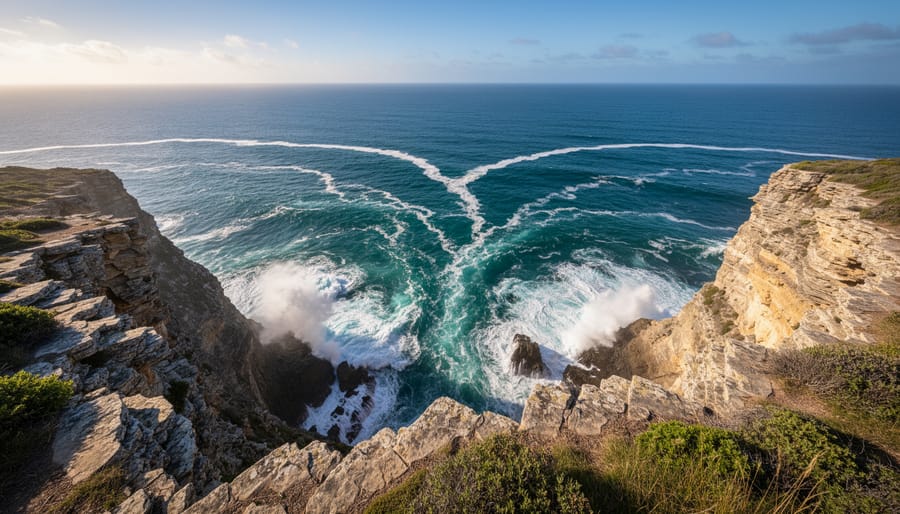
The park’s coastal headland viewpoints deliver the highland-meets-ocean drama without requiring multi-hour hikes, making them ideal for couples traveling the Cabot Trail, families with young children, or corporate groups on tight schedules. We found these roadside and short-walk vantage points offered some of our most memorable moments, where the highlands plunge directly into the Gulf of St. Lawrence and Atlantic Ocean.
Green Cove and MacKenzie Mountain lookouts provide sweeping coastal panoramas just steps from the road. You’ll witness the full sweep of the coastline, with forested highlands dropping to rocky shores and open water stretching to the horizon. The contrast between the dark boreal forest, exposed rock faces, and deep blue water creates the signature Cape Breton landscape that distinguishes this park from inland Canadian destinations.
These viewpoints shine during early morning and late afternoon when the light hits the water at dramatic angles. Summer visitors benefit from extended daylight hours and calmer seas, though the Gulf can produce impressive wave action year-round. Because they’re accessible without reservations or strenuous effort, headland viewpoints offer flexibility, critical when weather shifts or schedules change.
Pack binoculars for spotting whales offshore during migration periods, and expect wind at exposed points even on calm days.
5. Park Campgrounds, Eight Options for Overnight Immersion
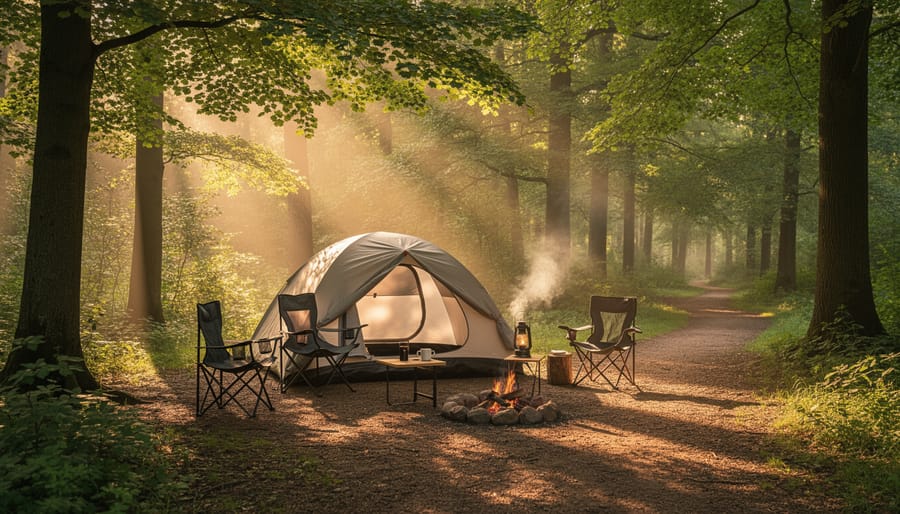
Cape Breton Highlands offers 8 campgrounds scattered across coastal and highland terrain, each suited to different traveler priorities. Choosing the right site depends on what you value most during your stay, trail access, ocean views, or full amenities for families.
When selecting a campground, consider:
- Proximity to signature trails like Skyline, particularly important if you’ve secured a parking reservation for early morning hikes
- Coastal versus inland locations, Gulf-side sites offer dramatic ocean sunsets, while interior campgrounds provide sheltered forest settings
- Amenity levels ranging from basic tent sites to full-service RV hookups, depending on your group’s comfort needs
- Group suitability, some campgrounds work better for families requiring playgrounds and flush toilets, while others appeal to couples seeking quieter, backcountry-style immersion
The Canada Strong Pass delivers 25% off camping fees from June 19 to September 7, 2026, making extended stays more affordable during peak season. Direct booking through Parks Canada secures your preferred site and dates without markup fees, similar to how we approach a personalized Vancouver itinerary or our Spirit of the West tour planning.
Booking early matters: popular coastal campgrounds fill quickly in July and August, and combining your Discovery Pass with campground reservations in one transaction streamlines your park arrival.
6. Highland Bog Ecosystems, Unique Acadian Flora

The highland plateau atop Cape Breton Highlands presents a rare ecosystem found nowhere else in Atlantic Canada. Barren-like barrens stretch across windswept summits where stunted black spruce, balsam fir, and white birch crouch against constant ocean winds. Sphagnum mosses carpet the ground in shades of burgundy and emerald, surrounding dark pools of acidic bog water that support carnivorous pitcher plants and sundews.
The park’s interpretive trails wind through this otherworldly landscape, giving families and nature enthusiasts close access without trampling fragile vegetation. Boardwalks lead through sections where boreal and Acadian forest zones meet, creating unusual plant communities. You’ll spot bunchberry, Labrador tea, and rhodora blooming in late spring, while autumn transforms the bog into a tapestry of crimson and gold.
These highland wetlands filter rainwater, moderate temperatures, and provide critical habitat for breeding birds. Much like the diverse ecosystems visitors encounter when they Experience Vancouver, Cape Breton’s plateau environments reward careful observation. Bring binoculars and field guides, the plateau reveals its secrets slowly, demanding patience that most casual hikers bypass on their rush to coastal viewpoints.
7. Waterfall Trails, Cascades Through Coastal Ravines
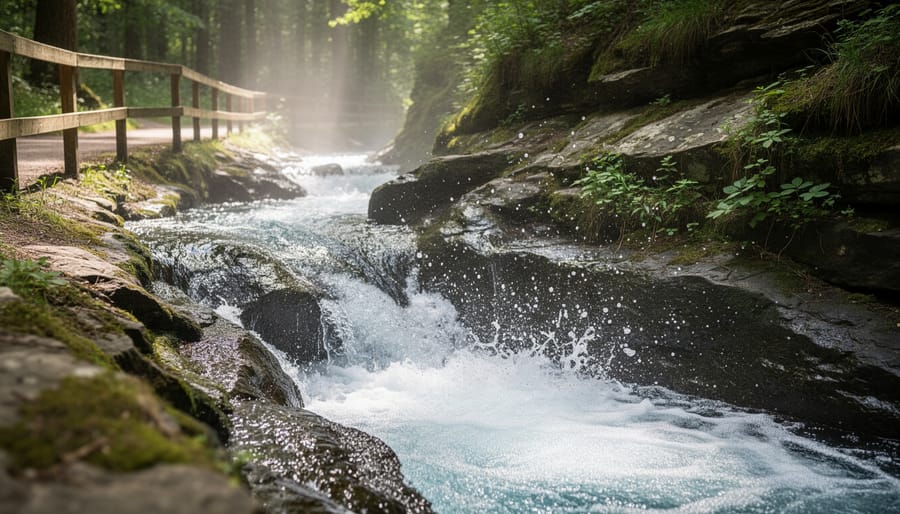
Cape Breton Highlands’ waterfall trails offer one of the park’s most rewarding experiences for families and casual hikers: dramatic cascades tumbling through forested ravines as streams plunge from the highland plateau toward sea level. We found these trails deliver impressive scenery without the physical demands of highland summit routes.
The park’s waterfall hikes vary from short walks to moderate excursions, all showcasing the dramatic vertical geography that defines this coastal landscape. Most trails follow river valleys carved into the ancient rock, where you’ll encounter multiple cascades along a single route as water steps down through the terrain. Spring and early summer bring the heaviest flow when snowmelt from the highlands swells the streams, though the falls remain photogenic well into autumn.
These trails suit visitors who want Cape Breton’s signature elevation drama without committing to strenuous climbs. The grade typically follows the watercourse rather than ascending directly, making them accessible for children and older travelers. Trail surfaces range from maintained gravel to natural forest floor, so proper footwear matters even on shorter routes. Your Parks Canada entry pass covers access to all waterfall trail parking areas throughout the park.
8. Cultural Interpretation Sites, Acadian & Mi’kmaq Heritage
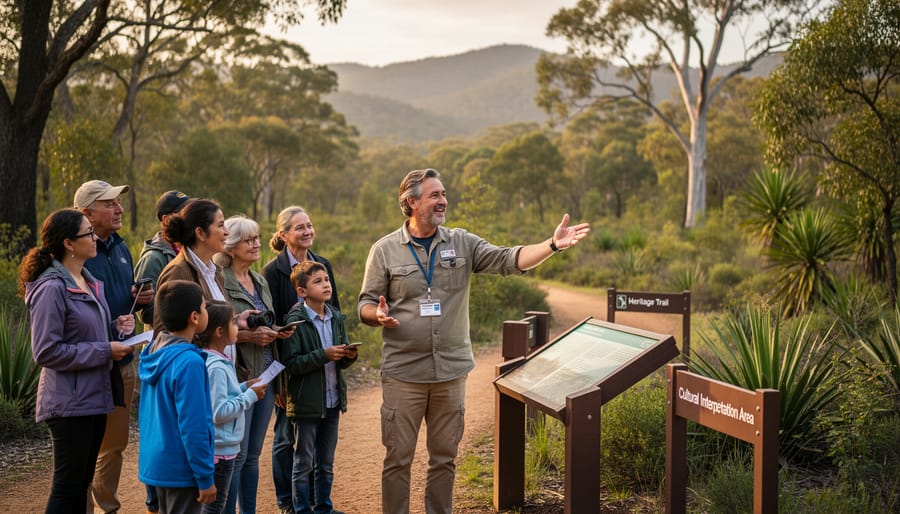
Cape Breton Highlands reveals layers of human connection to this landscape that pre-date the park designation by centuries. Mi’kmaq peoples have inhabited this region for over 10,000 years, and interpretive sites throughout the park acknowledge this enduring relationship with the land. Acadian settlements followed in the 1700s, establishing fishing communities along the coastal edges that shaped the cultural character you’ll encounter today.
The park’s cultural interpretation sites offer something beyond the scenery-focused experience of places like Banff National Park. Here, you’ll find interpretive panels explaining traditional Mi’kmaq uses of highland plants, the significance of salmon rivers, and seasonal migration patterns that governed life in these highlands. Near park boundaries, you can visit preserved Acadian fishing villages where interpretive staff explain how communities adapted to this rugged coastline.
For corporate groups seeking team experiences with substance, combining a coastal hike with cultural interpretation creates a fuller understanding of place. The stories of resilience, both Indigenous and Acadian, resonate differently when you’re standing where those communities lived and worked. We’ve found these sites work best when paired with guided experiences, which Ya’Gotta can arrange through direct booking with local Mi’kmaq and Acadian interpreters who bring family knowledge to the narrative.
Planning Your Visit: Seasonal Access & Timing
Cape Breton Highlands operates under distinct seasonal conditions that directly impact your visit planning. Summer peak season, June through early September, brings the warmest weather and fullest park access, but also requires the most advance preparation. During this window, you’ll need valid Parks Canada entry passes (either the Discovery Pass for year-round access or the Canada Strong Pass for free admission June 19 to September 7, 2026), and you must secure parking reservations for Skyline Trail from June 26 to October 25.
Shoulder seasons transform the experience entirely. Late spring (May through early June) and autumn (late September through October) deliver thinner crowds and dramatic colour shifts across the highland plateau, though you’ll face cooler temperatures and potential trail closures due to weather. These periods still fall within the Skyline Trail reservation window, so booking remains essential through late October.
Winter and early spring bring limited access. Most facilities close after October, and the Cabot Trail through the park can experience snow and ice conditions. If you’re visiting outside summer peak, contact Parks Canada directly to confirm which campgrounds and trails remain open.
Do I need reservations year-round?
Parking reservations for Skyline Trail are mandatory only from June 26 to October 25, 2026. Other trails and viewpoints remain first-come, first-served throughout the year.
Which pass should I choose?
The Canada Strong Pass offers the best value if you’re visiting June 19 to September 7, 2026, providing free admission and 25% off camping. For visits outside this window or multiple park trips across Canada, the Discovery Pass covers 12 months at 80+ Parks Canada sites.
When is the best time to visit?
July and August deliver peak weather and full facility access but require advance reservations. Late September offers autumn foliage, cooler temperatures, and fewer visitors while facilities remain open.
How far in advance should I book?
For summer peak season, especially July and August weekends, book Skyline Trail parking and campground sites at least two to three weeks ahead to secure your preferred dates.
Weather shifts rapidly at highland elevations, so pack layers regardless of season. Coastal fog can roll in without warning even during summer, and temperatures drop noticeably as you climb from sea level to the plateau.
Steps at a Glance
Here’s your visit-planning workflow, condensed into essential actions that build on everything we’ve covered:
- Determine your travel window and check whether it falls within the June 19 to September 7, 2026 Canada Strong Pass period for free admission and camping discounts, or if you need a Discovery Pass for year-round access.
- Secure your Parks Canada entry pass through the official Parks Canada website before your arrival date.
- If visiting between June 26 and October 25, 2026 and planning to hike Skyline Trail, book your parking reservation immediately after securing your pass, spots fill quickly during peak season.
- Reserve your campground site early if staying overnight, prioritizing your choice among the park’s 8 campgrounds based on your preferred activities and access points.
- Plan your Cabot Trail drive route and viewpoint stops, factoring in seasonal weather patterns that can affect visibility and road conditions along the coastal sections.
- Download trail maps and wildlife viewing corridor information before entering the park, as cellular coverage is limited in highland and coastal areas.
We’ve structured this sequence to match how we guide travelers through our direct booking service, eliminating the confusion that comes from piecing together information across multiple platforms. Each step connects directly to the verified 2026 access requirements and booking systems we tested throughout the season, ensuring you don’t arrive at a trailhead or campground without the proper reservations in hand.
What to Watch For
Weather windows shift quickly in the highlands, fog can roll in within minutes and completely obscure viewpoints that were clear moments before. Check the local forecast before setting out each morning, and plan signature experiences like Skyline Trail for early in your trip so you have backup days if conditions turn.
Wildlife encounters require patience and respect for park regulations. Moose are most active at dawn and dusk along roadside corridors, but never approach or feed them, maintain at least 30 metres distance and pull completely off the road if you stop to observe. The animals you’re hoping to see won’t appear on a schedule, so build flexibility into your itinerary rather than rushing between planned stops.
Parking fills early during peak summer months even outside the Skyline Trail reservation system. Popular trailheads and viewpoints reach capacity by mid-morning from late June through August, so arrive before 9 AM or wait until late afternoon when day-trippers depart. The Canada Strong Pass eliminates entry fees during summer 2026, which increases visitor volume at no-cost access points, factor this into your timing strategy for a better experience.
Attractions in Cape Breton Highlands National Park Terms to Know
Discovery Pass
A year-round entry pass providing unlimited admission to over 80 Parks Canada sites across the country for 12 consecutive months from purchase date. Required for all visitors accessing Cape Breton Highlands National Park outside the Canada Strong Pass eligibility period.
Canada Strong Pass
A special-access pass offering free park admission and 25% discounts on camping and overnight accommodation fees exclusively from June 19 to September 7, 2026. Designed to encourage Canadian exploration during the summer travel window.
Skyline Trail Parking Reservation
A mandatory booking for vehicle parking at the Skyline Trail trailhead during peak season from June 26 to October 25, 2026. Separate from your park entry pass and must be secured in advance through the Parks Canada reservation system to guarantee trail access.
Acadian Highlands
The distinctive plateau ecosystem characterizing Cape Breton Highlands, where highland bogs and Acadian forest zones meet coastal cliff environments. This unique biogeographic zone supports specialized plant communities not found elsewhere in Atlantic Canada.
Peak Season Access Window
The high-demand visitor period from late June through late October when parking reservations become mandatory for popular trails and campground availability tightens significantly. Planning ahead during this window ensures you secure access to signature park experiences.
These terms matter when booking your Cape Breton Highlands visit because the park operates different access requirements depending on when you arrive and which attractions you plan to experience. Understanding the distinction between your entry pass and activity-specific reservations prevents arrival-day disappointment, especially during summer months when parking reservations at premier trails fill weeks in advance.
Cape Breton Highlands delivers what few Canadian parks can, a collision of rugged coastal drama and ancient highland plateaus that rivals Banff’s mountain spectacle but trades glacier-carved peaks for cliff-edged ocean views. We’ve tested this landscape firsthand, from scrambling Skyline Trail’s coastal headland to tracking moose through bog ecosystems, and found it rewards travelers who arrive prepared with the right passes and reservations.
Ya’Gotta eliminates the guesswork by handling your park planning directly, no third-party booking fees, no confusion over which pass you need for 2026’s new reservation windows. Our local Canadian travel expertise means you’ll secure Skyline parking during the peak-season reservation period, understand exactly when the Canada Strong Pass saves you money on camping, and time your visit to match your priorities whether that’s wildlife photography or family-friendly waterfall hikes.
Let us build your personalized Cape Breton itinerary so you experience the Highlands at their best, with every access detail locked down before you arrive.