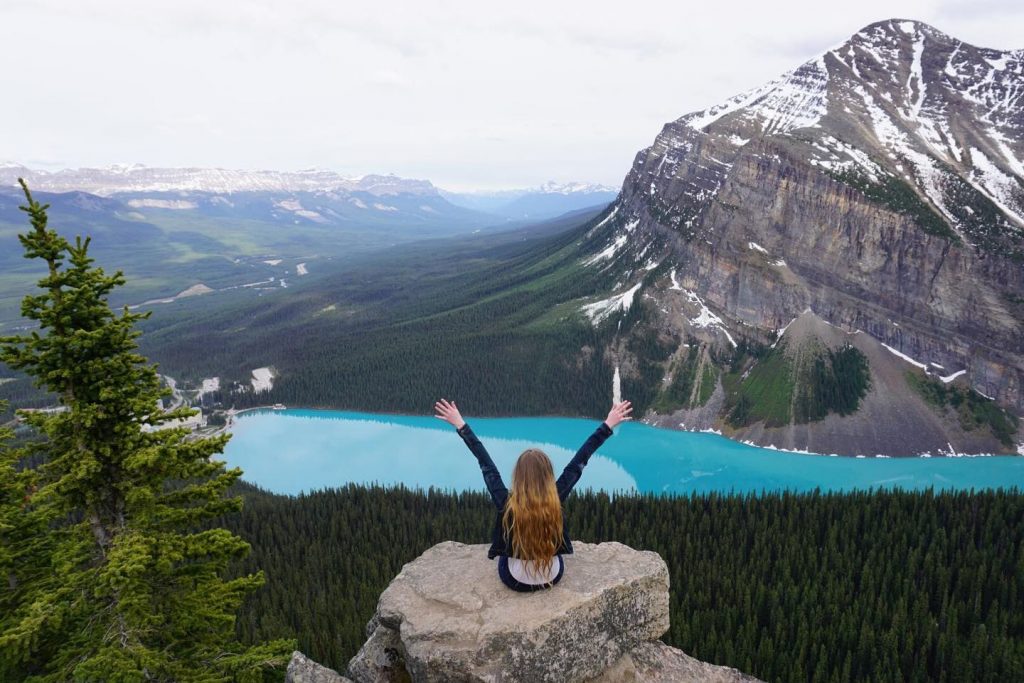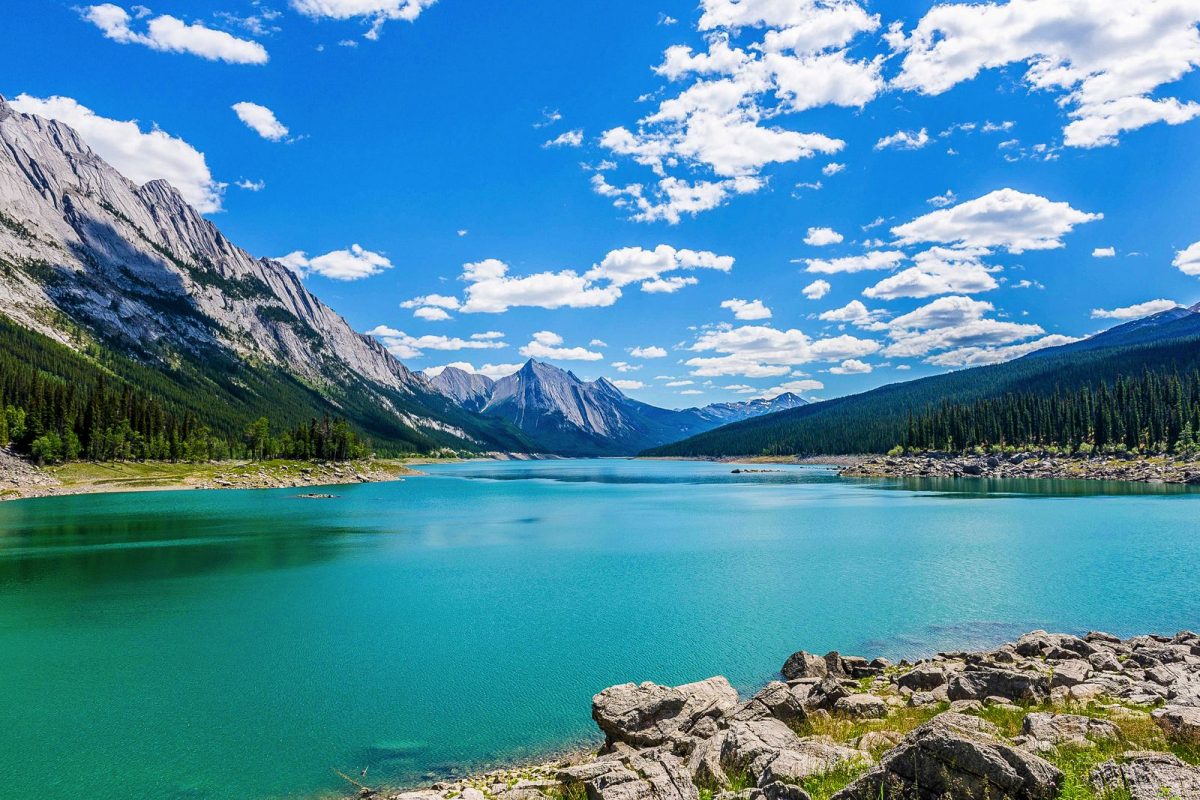
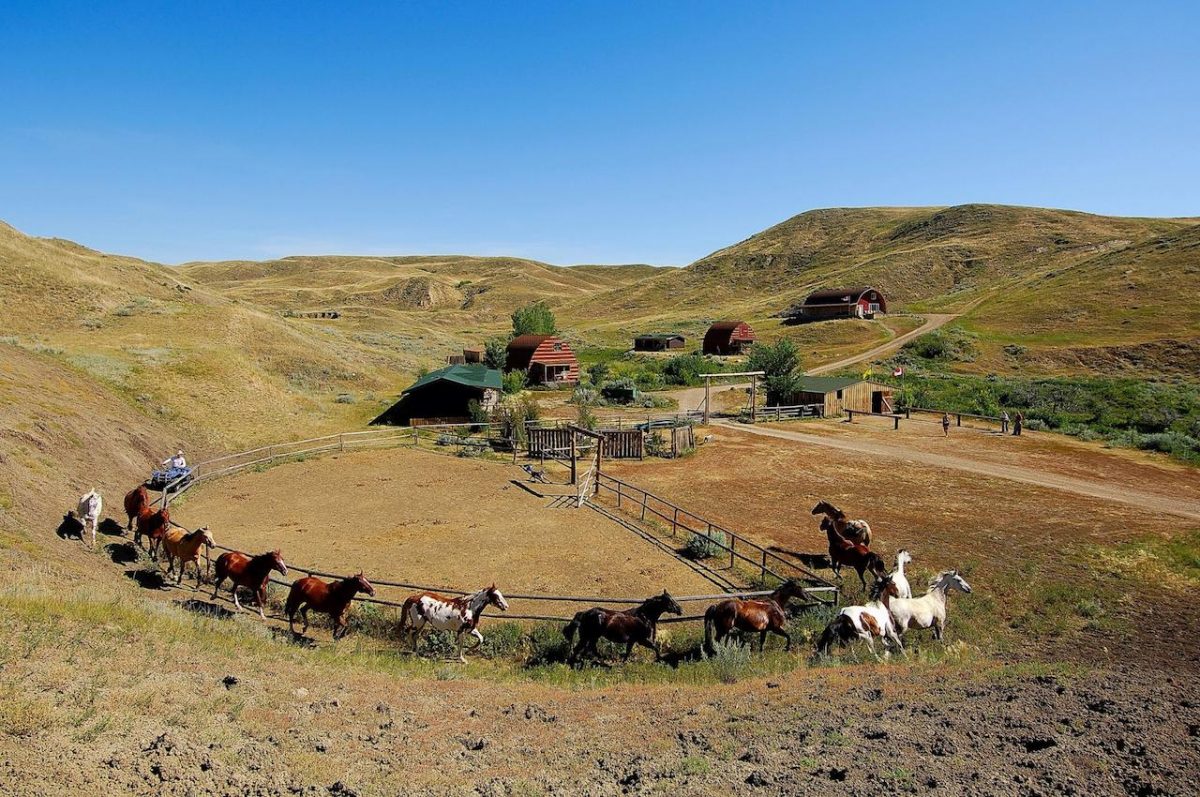






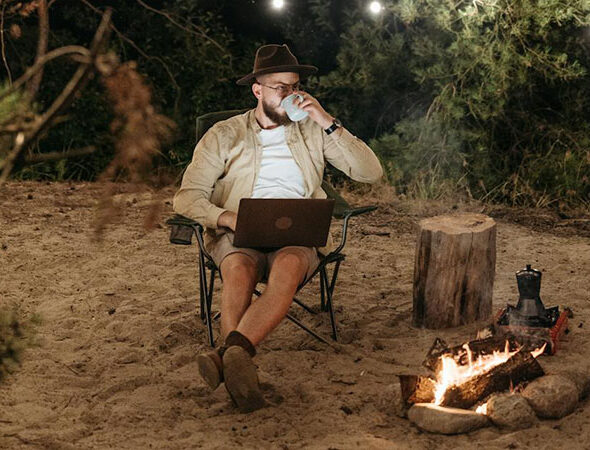
Setting out on an outdoor adventure in Canada, with its sprawling forests, majestic mountains, and crystal-clear lakes, doesn’t mean you have to disconnect from your favourite pastimes, like playing online slots for real money amid the breathtaking natural beauty.
If you want to enjoy playing your favourite game of online slots while adventuring in Canada, here are some tips to help you out:
Ensure Connectivity
Before you set off into the Canadian wilderness, securing a reliable internet connection is crucial. Make sure you research the coverage areas of your destination, as many remote locations might offer limited service.
National parks and campgrounds sometimes provide Wi-Fi near visitor centers, or you might consider investing in a portable Wi-Fi device.
Remember, connectivity in the great outdoors can be unpredictable, so download the necessary apps or games beforehand. Always check with local providers or your accommodation for the best connectivity options to ensure you can enjoy your games without interruption.
Choose the Right Device
Selecting the appropriate device can significantly enhance your gaming experience. Opt for a lightweight and robust smartphone or tablet with an extended battery life to withstand long days outdoors.
Rugged cases can provide extra protection against drops and elements.
Additionally, carrying portable power banks or solar chargers can keep your device charged, ensuring you’re ready to play your favorite slots anytime during your adventure.
Download Before You Go
To avoid frustration with buffering or connectivity issues, we highly recommend you download your preferred online slot games prior to your trip.
Luckily, many gaming platforms offer an offline mode that allows you to play without an internet connection. Ensure that your apps are updated to the latest version for a smooth gaming experience.
By preparing your entertainment in advance, you can enjoy seamless gameplay, whether you’re lounging by the lake or nestled in your tent.
Set a Budget and Time Limit
Maintain a healthy balance between enjoying the great outdoors and playing online slots by setting a budget and time limit for your gaming activities. Decide on a comfortable amount of money you are willing to spend and stick to it.
Also, allocate specific times for gaming, perhaps during quieter moments of the day or evening. This approach helps prevent excessive spending and ensures that your gaming is a fun, controlled part of your adventure.
Safety First
Your safety should always be a priority. Be mindful of where and when you play, especially if it requires wandering off to find a signal. Ensure your physical safety by staying in safe, public areas and keeping your belongings secure.
Also, be aware of your surroundings to avoid accidents or disturbing wildlife. Consider the volume and privacy of your gaming, ensuring it doesn’t disrupt the serene environment or other people enjoying the wilderness.
Explore Canadian-Themed Slots
Immerse yourself in the Canadian spirit by playing slots that reflect the country’s iconic scenery and culture.
Many online slots feature themes inspired by Canadian landscapes, animals, and folklore. Engaging in these themed games can enhance your connection to the surroundings and offer a unique, thematic complement to your adventure.
It’s a playful way to celebrate the local culture and scenery while enjoying your favourite pastime.
Balance Game Time with Outdoor Activities
While it’s tempting to get caught up in the excitement of online slots, remember to balance screen time with exploring the natural beauty around you.
Make sure you plan your gaming sessions around your outdoor activities. Perhaps unwind with a few spins after a day of hiking, or enjoy a morning session before you set out.
Prioritize experiencing the sights, sounds, and activities that the Canadian wilderness offers to make the most of both your gaming and outdoor experiences.

Stay Legal and Responsible
It’s important to understand and adhere to the legal gambling age and regulations in Canada, which can vary by province. Ensure you’re using reputable and licensed online platforms for your gaming.
Always practice responsible gambling, be aware of the signs of excessive play, and know when to take a break.
Familiarize yourself with the local laws and regulations of the area you’re visiting to ensure a hassle-free and enjoyable gaming experience.
Connect with Fellow Adventurers
Sharing your gaming experience can be a fun way to bond with fellow travellers or family members.
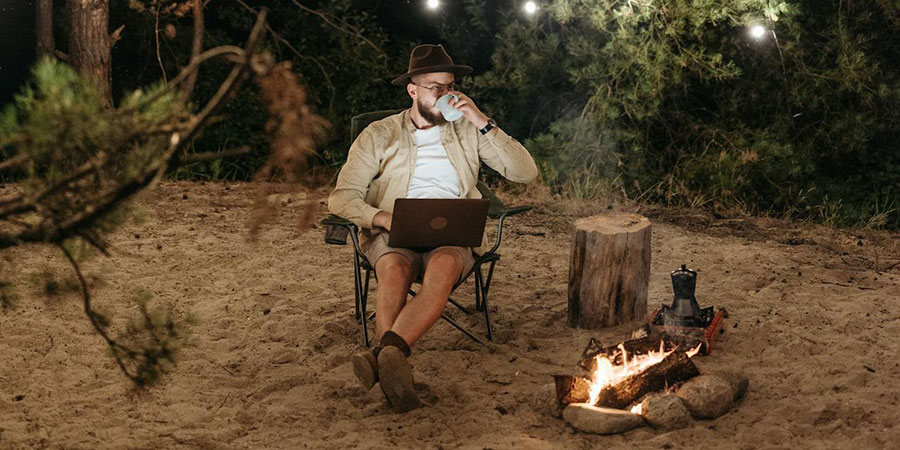
Organize a casual slot tournament or share your favourite games around the campfire. It can be a delightful way to unwind after a day of adventure, creating memories and fostering a sense of community.
Remember to keep the volume down and respect the tranquillity of your natural surroundings and the enjoyment of others.
Capture the Moment
Take the opportunity to capture your wins and gaming moments against the backdrop of Canada’s stunning landscapes. Whether it’s a screenshot of a big win with mountains in the background or a selfie of you playing your favorite game by a serene lake, these photos can be a unique way to remember your trip.
Share these snapshots with friends or on social media to show off your adventurous spirit and gaming success.
By combining the excitement of online slots with the breathtaking beauty of Canada’s wilderness, you get the best of both worlds. Just remember to play responsibly and keep the balance between enjoying your outdoor activities and indulging in your favourite games.
With a bit of preparation and mindfulness, you can seamlessly integrate the fun of online slots into your outdoor adventure, ensuring a memorable and enjoyable experience in Canada’s great outdoors.